

Ontario alcohol limit for driving laws are stricter than many people realize. A blood alcohol concentration (BAC) as low as 0.05% below the 0.08% criminal threshold can still lead to an immediate suspension, fines, and mandatory programs. For novice, under-21, and commercial drivers, Ontario enforces a zero-tolerance rule, meaning even a single drink can cost you your licence.
The reality is that impaired driving laws in Ontario are among the toughest in Canada. Penalties escalate quickly, ranging from roadside suspensions and vehicle impoundments to permanent criminal records, skyrocketing insurance rates, and restricted travel to the United States. Police also enforce these rules aggressively through RIDE programs and mandatory roadside testing, meaning every driver on Ontario roads is subject to checks.
This guide breaks down everything you need to know about Ontario’s alcohol limits for driving, including:
Table of Contents
By the end, you’ll have a complete, practical understanding of Ontario’s impaired driving laws and why the safest choice is always to avoid driving after drinking altogether.
If you’re facing a DUI or impaired driving charge in Ontario, learn more about our defence strategies for impaired driving cases and how we can protect your licence and your future.
Ontario Alcohol Limit for Driving: 0.05% Warn Range vs. 0.08% Criminal BAC
Ontario drivers must understand that two thresholds exist:
The Criminal Code Limit – 0.08% BAC
- Definition: Blood Alcohol Concentration (BAC) measures the milligrams of alcohol in 100 millilitres of blood. A BAC of 80 mg/100 mL (0.08%) is the federal criminal threshold under the Criminal Code of Canada (s. 320.14).
- Consequences: Driving at or above this limit is a criminal offence. Convictions carry immediate licence suspensions, fines, a criminal record, and mandatory programs.
The Provincial “Warn Range” – 0.05% to 0.079% BAC
- Definition: Ontario’s Highway Traffic Act imposes penalties for drivers with a BAC between 50–79 mg/100 mL (0.05%–0.079%).
- Consequences: These are administrative penalties, not criminal charges, but they include licence suspensions, monetary fines, and mandatory remedial programs for repeat offenders.
Comparison Table – BAC Limits in Ontario
| BAC Level | Legal Basis | Consequences | Criminal Record? |
|---|---|---|---|
| 0.05% – 0.079% | Ontario Highway Traffic Act (“Warn Range”) | Immediate licence suspension, escalating fines, possible mandatory education programs | No |
| 0.08% and above | Criminal Code of Canada | Immediate suspension, vehicle impoundment, criminal charge, mandatory fines, programs, ignition interlock | Yes |
Key Stat: According to the Ministry of Transportation, a first offence in the “warn range” results in a 3-day licence suspension and a $250 fine.
Zero Tolerance Alcohol Ontario: Rules for Novice, Under-21, and Commercial Drivers
Ontario goes even further with a zero-tolerance policy for certain groups. This means no alcohol at all (0.00% BAC) is permitted.
Novice Drivers
- Applies to all G1, G2, M1, and M2 licence holders.
- Any alcohol detected results in an immediate 30-day suspension and fines.
Drivers Under 21
- Regardless of licence class, all drivers under 21 years old must maintain a 0.00% BAC.
Commercial Drivers
- Applies to drivers operating commercial vehicles (Class A, B, C, D, E, F).
- Zero tolerance reflects the heightened responsibility and public safety risk associated with operating buses, trucks, or passenger vehicles.
Why Zero Tolerance?
Ontario enforces these rules to:
- Reduce risk among inexperienced drivers.
- Protect public safety, especially with large and commercial vehicles.
- Reinforce safe driving habits from the beginning of a driver’s career.
Example: A 20-year-old G2 driver who has consumed even a single beer could face a 30-day suspension, fines, and long-term insurance consequences even if their BAC is below the 0.05% warn range.
DUI Penalties Ontario: Licence Suspensions, Fines, and Mandatory Programs
The consequences of impaired driving in Ontario are severe and escalating.
“Warn Range” Penalties (0.05% – 0.079%)
| Offence | Licence Suspension | Fine | Other Requirements |
|---|---|---|---|
| First offence | 3 days | $250 | None |
| Second offence | 7 days | $350 | Mandatory education program |
| Third and subsequent offences | 30 days | $450 | Mandatory treatment program, possible ignition interlock |
Criminal Charges (0.08% and above)
If your BAC is 0.08% or higher, or if police determine you are impaired by alcohol or drugs, you face criminal penalties.
Immediate Consequences:
- 90-day administrative licence suspension
- 7-day vehicle impoundment
Minimum Criminal Penalties:
| Offence | Minimum Licence Suspension | Minimum Fine / Jail | Mandatory Programs | Criminal Record? |
|---|---|---|---|---|
| First Offence | 1 year | $1,000 fine | Back on Track + Ignition Interlock (minimum 1 year) | Yes |
| Second Offence | 3 years | 30 days in jail | Back on Track + Ignition Interlock (minimum 3 years) | Yes |
| Third Offence | 10 years (possible lifetime ban) | 120 days in jail | Back on Track + Ignition Interlock (minimum 6 years) | Yes |
Mandatory Programs and Costs
- Back on Track Program: Required for those convicted or with repeated warn-range offences. Cost: approx. $894.
- Ignition Interlock Program: Required before licence reinstatement. Annual cost: $1,500–$2,500, paid by the driver.
Insurance Consequences
- Convicted drivers are often classified as high-risk, with premiums increasing by hundreds or thousands of dollars annually.
Important: A DUI conviction results in a permanent criminal record. This can affect employment, travel (especially to the U.S.), and professional licensing.
In addition to fines, program fees, and higher insurance, hiring a lawyer is another cost drivers often face. We’ve written a detailed guide on the cost of a DUI lawyer in Ontario, breaking down typical fees and what factors influence them.

The RIDE Program: How Ontario Police Enforce Impaired Driving Laws
Ontario police actively enforce impaired driving laws through the RIDE program (Reduce Impaired Driving Everywhere).
How It Works
- Police set up roadside checkpoints and can stop vehicles at random.
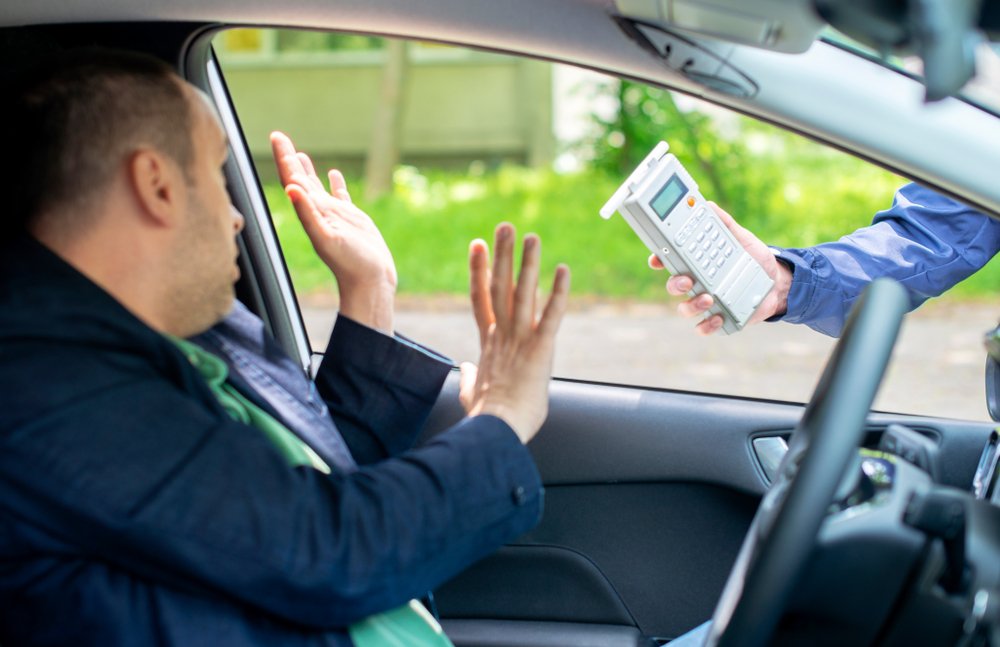
- Drivers may be required to perform a roadside sobriety test or provide a breath sample.
Mandatory Alcohol Screening
- Under recent changes to the Criminal Code of Canada, police can now demand a breath sample from any driver, at any time, without needing suspicion of impairment.
Refusing a Breath Test
- Refusing to provide a breath sample is a criminal offence, with penalties often more severe than impaired driving itself:
- Minimum $2,000 fine
- One-year licence suspension
- Criminal record
In Ontario, refusing a test can have consequences worse than blowing over 0.08%.
Ontario Alcohol Limit for Driving: Key Takeaways and Safe Choices
Ontario’s impaired driving laws are designed to make one point very clear: even a small amount of alcohol can put your licence, your finances, and your future at risk.
To recap:
- 0.05% to 0.079% BAC puts you in the warn range, leading to suspensions and fines.
- 0.08% BAC or higher results in a criminal charge, a permanent record, and long-term penalties.
- Zero tolerance applies to novice drivers, under-21 drivers, and commercial operators.
- Penalties escalate rapidly and include Back on Track, Ignition Interlock, high-risk insurance, and travel restrictions.
The safest approach is simple: if you plan to drink, plan not to drive. Arrange alternative transportation, use a designated driver, or call a rideshare. Protecting yourself, your passengers, and others on the road is always the best decision.
Frequently Asked Questions
Can I be charged with impaired driving if my BAC is under 0.08%?
Yes. The “warn range” (0.05%–0.079%) results in licence suspensions and fines. Police can also charge you with impaired driving if they believe your ability to drive is impaired, regardless of BAC.
What happens if I refuse a breath test in Ontario?
Refusal is a criminal offence under the Criminal Code. Penalties include a minimum $2,000 fine, a one-year licence suspension, and a permanent criminal record.
How long does a DUI stay on my record in Ontario?
A DUI conviction creates a permanent criminal record. On your driving record, it will remain for at least 10 years.
Do I need an Ignition Interlock device after a first DUI?
Yes. A first-time conviction requires mandatory participation in the Ignition Interlock program as a condition of licence reinstatement.
What is the “Back on Track” program?
It is Ontario’s mandatory remedial program for convicted impaired drivers or repeat warn-range offenders. It includes assessments, education, and treatment before licence reinstatement.
Is a DUI in Ontario a criminal offence?
Yes. Driving with a BAC of 0.08% or higher, or while impaired, is a criminal offence under the Criminal Code of Canada.
Can I travel to the U.S. with a DUI from Ontario?
Not without special permission. Many drivers require a U.S. entry waiver, which can take 6–12 months to obtain and cost several hundred dollars.